
A Walk-Through After Mud Season, From George
Down in Hartford they call it spring. Up here we call it mud season, and anybody who’s owned a house in Litchfield County for more than a winter knows the difference. Spring doesn’t arrive — it seeps in, six weeks late, leaving behind a driveway that’s part river and a lawn full of frost-popped fence posts. By the time the shadbush blooms, your house has been through about four months of punishment most of the state never sees.
I’ve been hanging gutters on homes from Woodbury to Norfolk for a long time now, and the houses that hold up are the ones owned by folks who walk the property every April with their eyes open. So before you get distracted by the lake opening or the first round of mowing, here’s the lap I’d take with you if you called me out for an estimate.
Start with the Roofline on Every Litchfield County Home
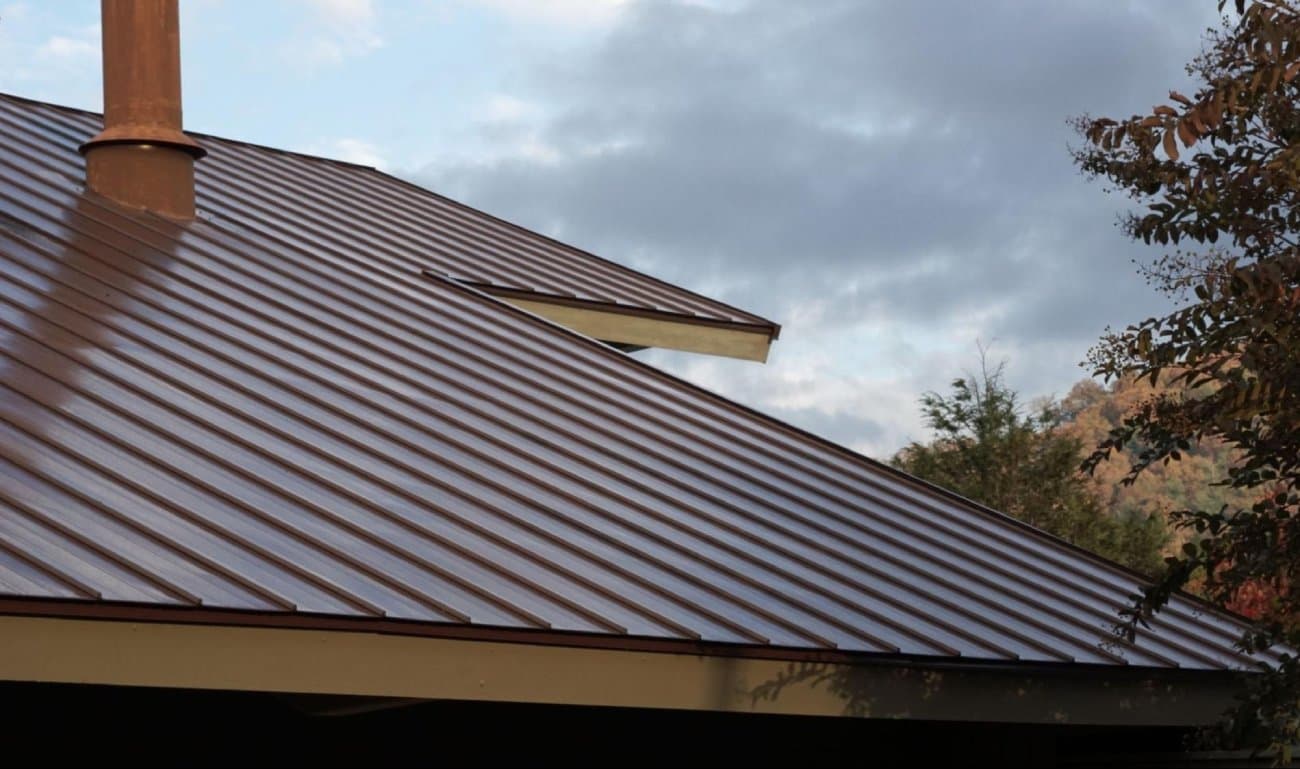
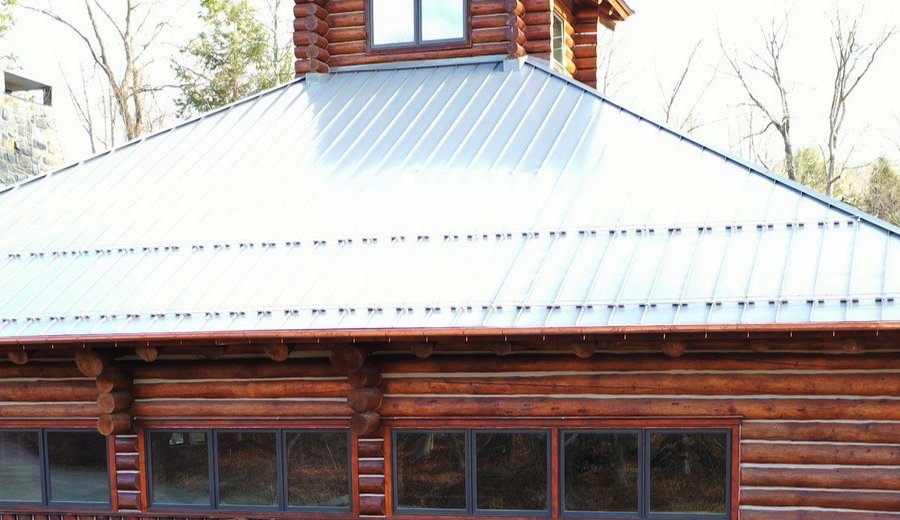
Forget the shingles for a minute. The first thing I want to see on a hill-town house in April is the roofline itself. Sight down it from across the yard. Is the ridge straight? Are the eaves still parallel to the ground? A winter of heavy wet snow up in places like Norfolk and Colebrook can settle a tired roof half an inch, and once a ridge starts dipping, the clock is running. If you see a sag, get a structural eye on it before you worry about anything else on this list.
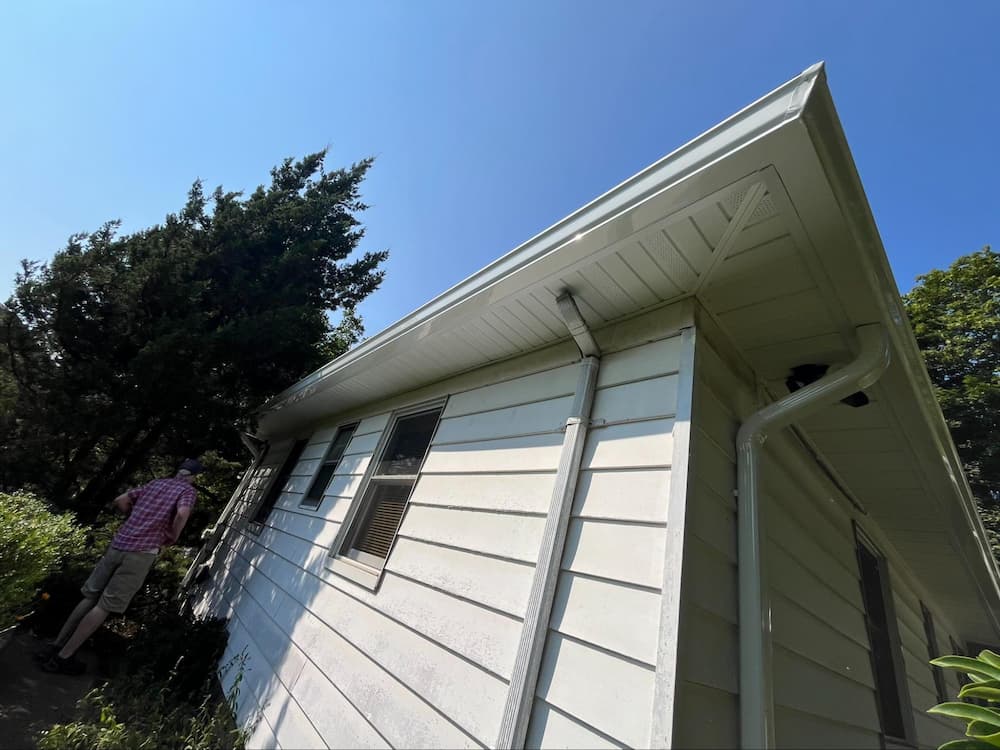
While you’re at it, look at where the gutters meet the fascia. That’s where ice damage shows up first — pulled spikes, cocked hangers, a section drooping low like a tired smile. If a gutter is hanging crooked in April, it’s been hanging crooked since February, and water’s been finding its way behind the fascia the whole time.

What a Litchfield County Winter Does to Your Driveway

Litchfield County frost goes deep. Four feet, sometimes more in a hard year. When it pulls back out of the ground, it takes things with it — fence posts, mailbox posts, the corner of a flagstone walk, sometimes a whole stretch of asphalt. Walk your driveway slowly. If you’ve got a long dirt drive in Kent or Cornwall Bridge, look for the washboard ruts that always form on the same slope every spring. Get the grader on the phone in April, not July. The good ones book up fast, and a regraded drive costs a fraction of replacing a culvert that gave up.
Asphalt drives have their own tell. Alligator cracking near the apron usually means the base failed over the winter. A clean linear crack you can seal yourself; alligator cracks are a conversation with a paving contractor.
Why Litchfield County Antique Homes Need a Closer Spring Look
A lot of you reading this own something built before George Washington was elected. I love these houses — center-chimney capes in Litchfield, saltboxes in Roxbury, big barn-red colonials in Sharon and Cornwall — but they ask for attention every spring. The sills are usually the weak point. Walk the perimeter and put your hand on the bottom course of clapboard or shingle. Soft? Spongy? That’s water that came in through a gutter problem, a flashing problem, or a grading problem, and it’s sitting on a 250-year-old chestnut sill that won’t tell on itself until it’s too late.
Same drill on the foundation. Fieldstone foundations breathe and shift in a way poured concrete doesn’t. Hairline cracks come and go with the seasons. Anything new and wider than a pencil, with fresh dirt or rust streaks coming out of it, is worth a second look.

The Outbuildings on Litchfield County Properties Nobody Checked All Winter

This is where Litchfield County is different from the rest of the state. Most properties up here came with more than just a house. Barns, equipment sheds, springhouses, run-in sheds, three-bay garages somebody converted into a workshop, the occasional sugar shack. Nobody goes in them in February. By April, that’s where the trouble has been brewing — a leaking roof somebody patched ten years ago that finally gave up, a porcupine that moved in through a loose soffit, a section of sill resting in standing water from a downspout that disconnected in a December ice storm.
Walk every outbuilding. Open every door. Look up at the ceilings for staining. Smell for mildew. Whatever’s wrong is cheaper to fix in April than September.
Get the Stove Cleaned Before You Forget
If you heated with wood this winter — and most of us did, at least to take the edge off the oil bill — call the chimney sweep now. Creosote is what burns down old farmhouses, and the sweeps in our part of the world get slammed in October. Spring booking gets you ahead of it, gets the cap and crown checked while the weather is mild, and gets the soot out of your house before you open the windows for good.


Wells and Septic: The Litchfield County Water Picture
Almost everybody in Litchfield County is on a well and septic, which changes the spring routine. After a hard freeze, walk the area over the septic field and look for green stripes that came in earlier than the rest of the lawn, soft spots, or any odor at all. Those are signs the system is struggling. A pumping in spring is cheaper than an emergency call in July when the family’s coming up for the Fourth.
The well house, if you’ve got one above ground, deserves a look too. Mice love them in winter. So do snakes once it warms up. Check the wiring for chew marks and the pressure tank for any rust weep at the seam.
Why Trees Are the #1 Threat to Litchfield County Homes
Down in Fairfield County they worry about hurricanes. Up here, our property damage almost always comes from a tree — usually a heavy wet snow in March or an October ice storm bringing down a limb that should have been pruned three years ago. April is the right time to look up. Hire an arborist (a real one, with credentials, not somebody with a chainsaw and a flyer) to walk your property. Dead ash from emerald ash borer is everywhere in our part of the state right now, and a standing dead ash near the house is not a question of if, it’s when.


The Litchfield County Bears Are Awake Again
I shouldn’t have to say this, but every year somebody learns the hard way. By the second week of April, the bears are out, hungry, and remembering exactly which houses had the best garbage situation last year. Bird feeders come down. Trash goes inside. Grills get cleaned and covered. I’ve patched siding for customers in Goshen who didn’t take it seriously, and bear claws through cedar shingles is not a repair anybody enjoys writing the check for.
Last Stop: The Slow Walk for Water
When you’ve finished everything else, take one more slow lap around the foundation. You’re looking for one thing: where does the water want to go? Anywhere it’s pooling within ten feet of the house is a problem. Sometimes it’s a downspout extension that came off in the snow. Sometimes it’s a low spot that’s been there since the house was built. Sometimes it’s a buried drain pipe that finally collapsed.
This is the lap that catches the expensive stuff before it becomes expensive. And honestly, if you’re not sure what you’re looking at — that’s what guys like me are for. I’ve walked thousands of properties in this county and most of the time I can tell you in five minutes whether you’ve got a real problem or just a wet patch that’ll dry up by Memorial Day.
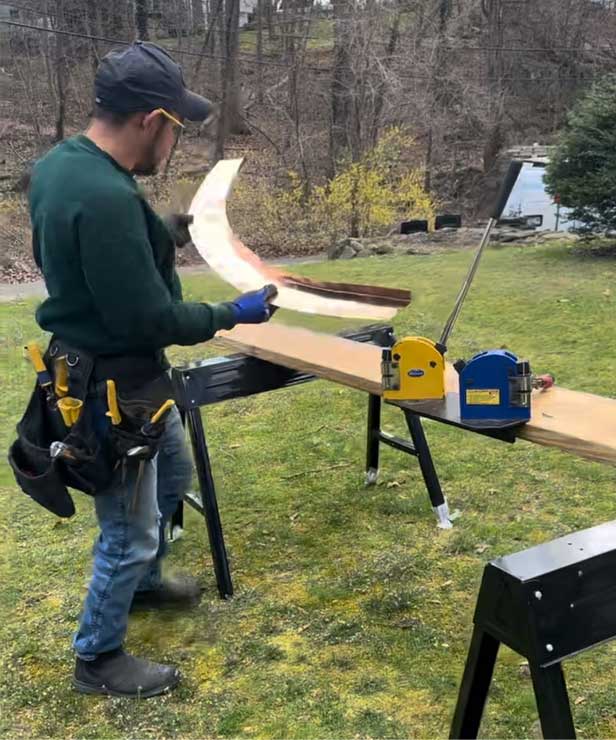
Spring up here rewards the people who pay attention. The hill-town housing stock is some of the most beautiful in New England, but it’s also some of the oldest and most exposed, and it doesn’t take much neglect for a small problem to turn into a structural one. Walk your property this month. Make the calls. And if a gutter looks tired or a downspout is dumping where it shouldn’t — you know where to find me.